Helen M.
Garden visitor
"A lovely surprise tucked away above Newton Abbot. The world garden idea gives the whole visit a gentle sense of discovery."
 Gardens of the WorldNewton Abbot, Devon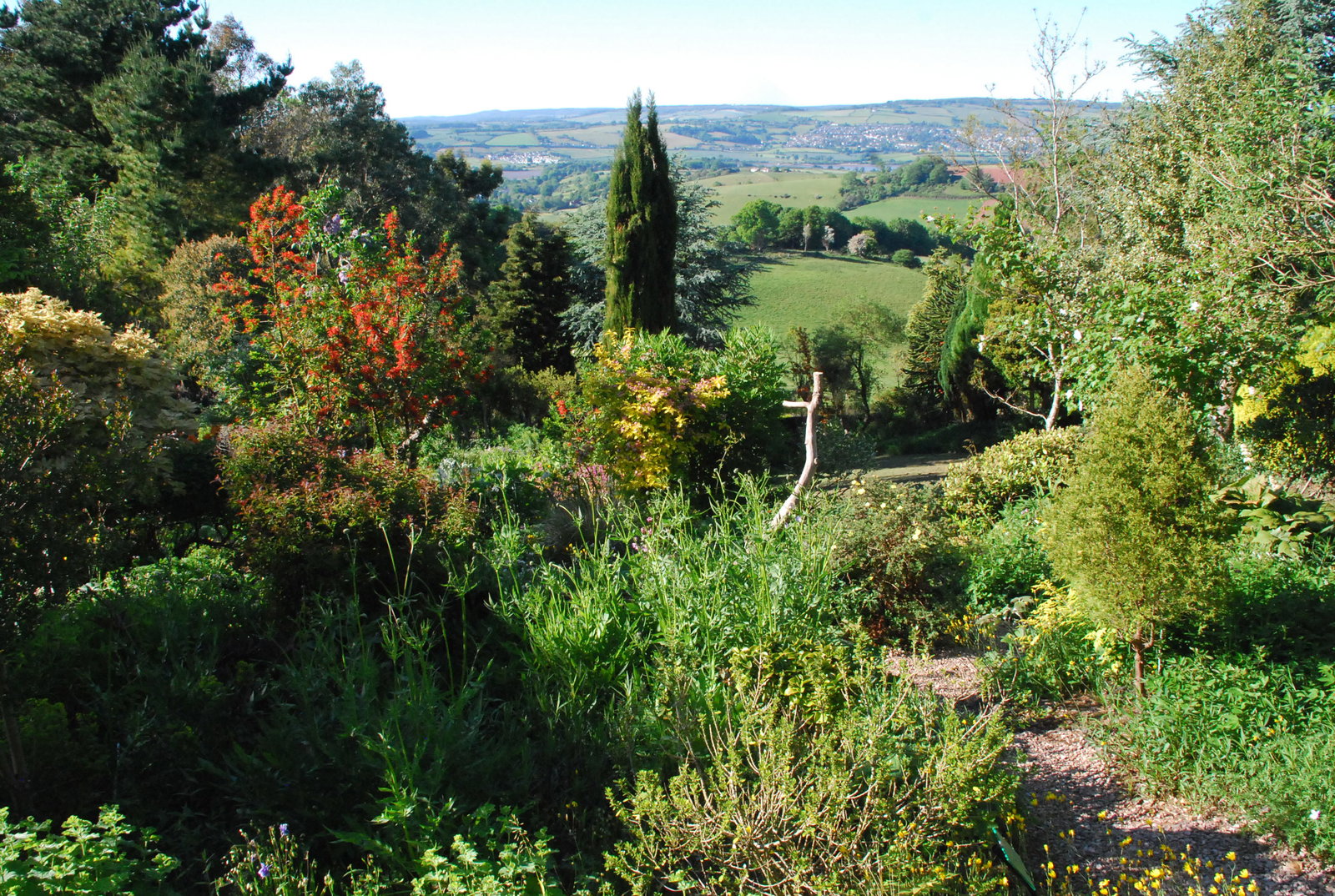
“Devon's little outdoor Eden”
A hilltop garden centre between Torquay and Newton Abbot, laid out as a map of the world with rare plants, beautiful views, a nursery and a scenic café.
"A lovely surprise tucked away above Newton Abbot. The world garden idea gives the whole visit a gentle sense of discovery."
"We came for the nursery and stayed for lunch. The café view is beautiful, and everything felt relaxed and friendly."
"Small enough to enjoy without rushing, but packed with unusual plants. I kept stopping to read labels and take notes."
"Our group had a very easy visit. Clear parking, helpful staff, good food arrangements and plenty for everyone to explore."
"Peaceful paths, lots of colour and a café that worked well for three generations. A simple, happy afternoon out."
"The nursery is the treat at the end. You see something thriving in the garden, then often find a plant to take home."
"Not a formal estate garden, and better for it. It feels personal, characterful and full of plants chosen by real enthusiasts."
"The planted map makes a great talking point. We spent much longer than expected comparing each area and its planting."
"A proper Devon stop: good cake, fresh air, hilltop views and a gentle wander before heading back to the coast."
"It changes every time we visit. There is always a new corner flowering, and the atmosphere is wonderfully unhurried."
Gardens of the World
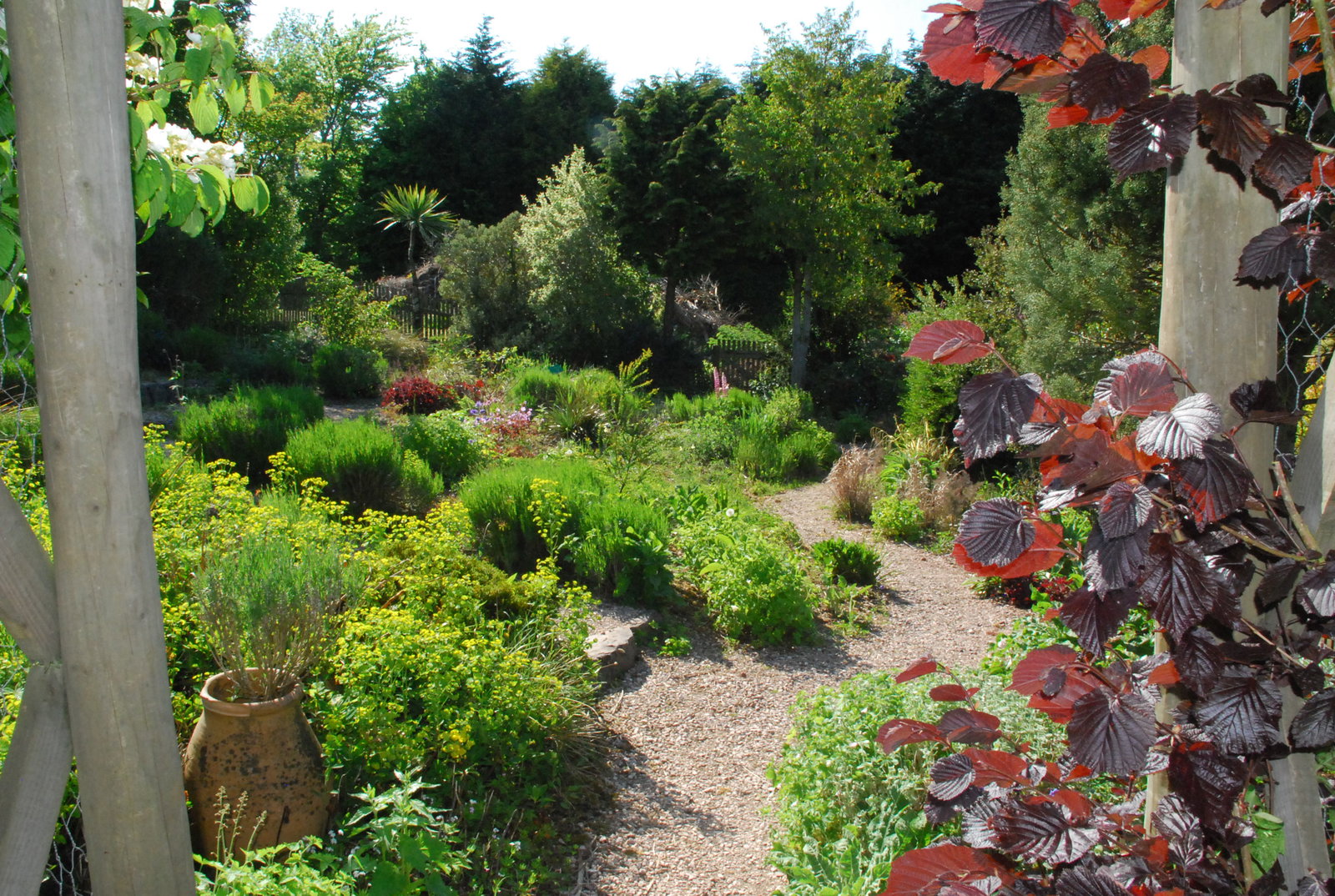
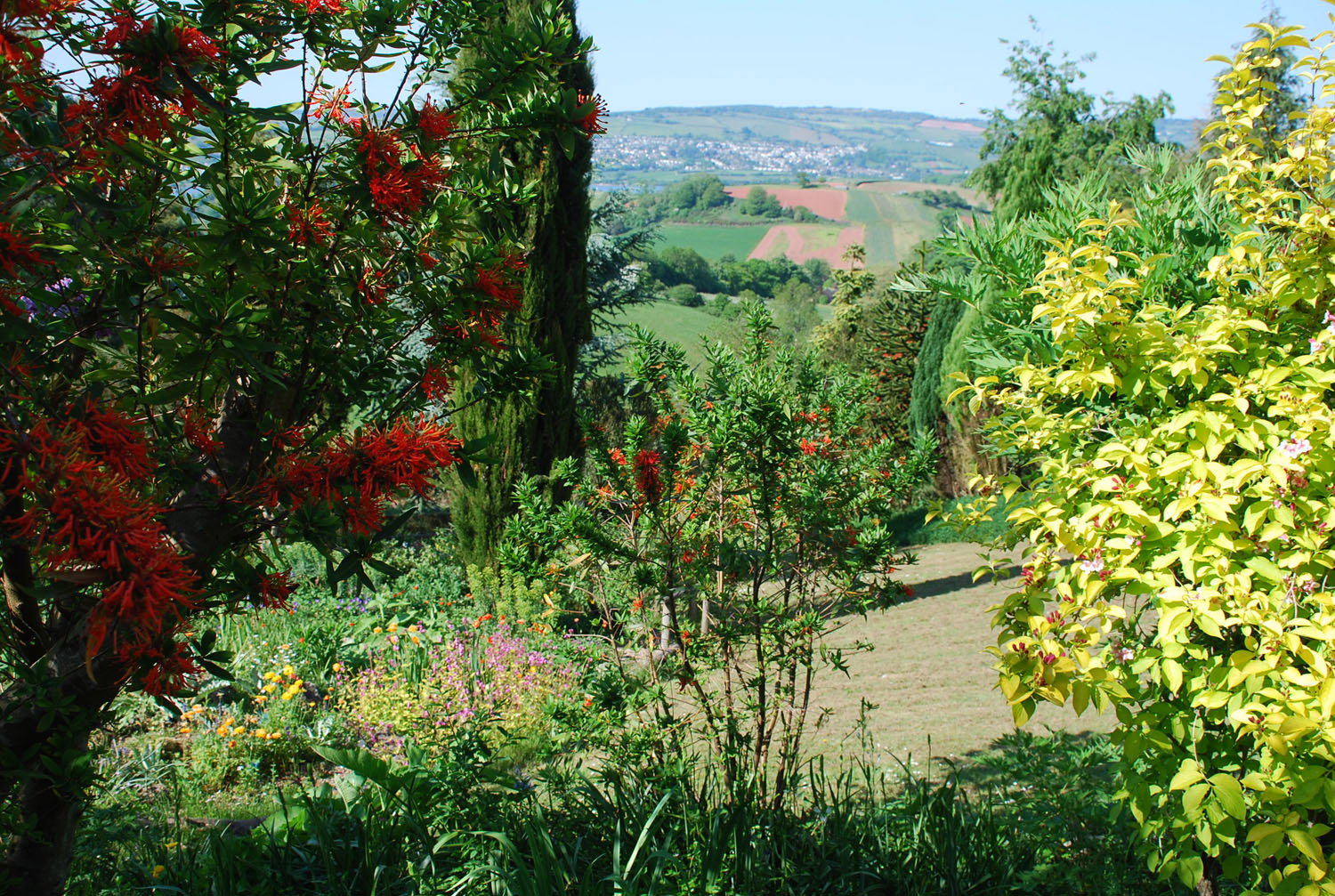
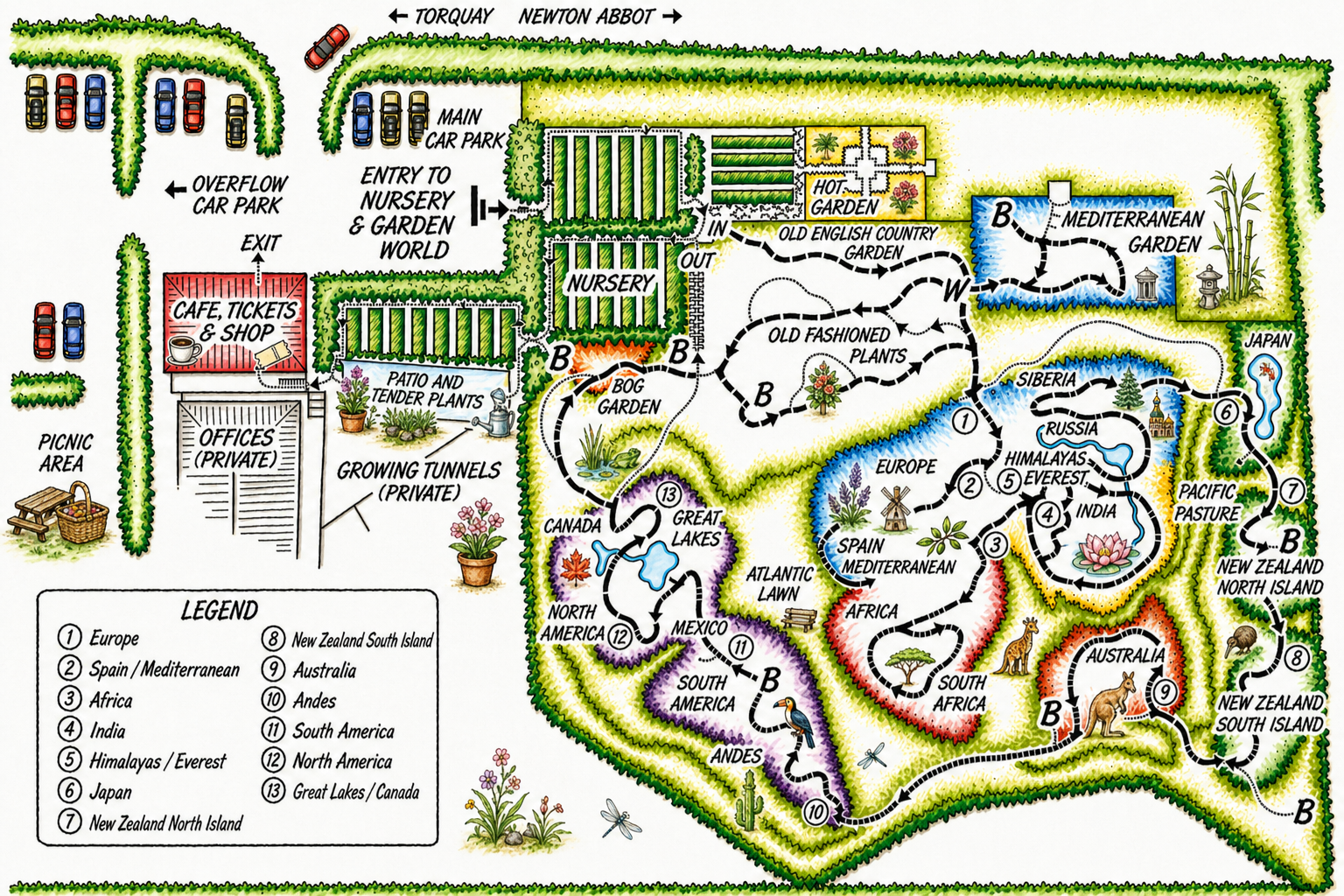
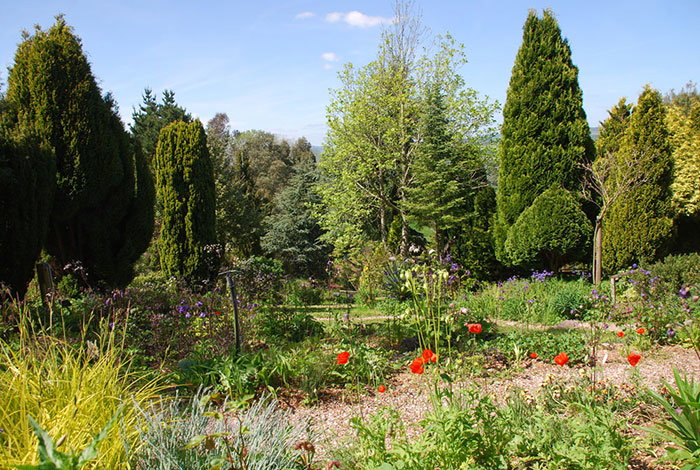
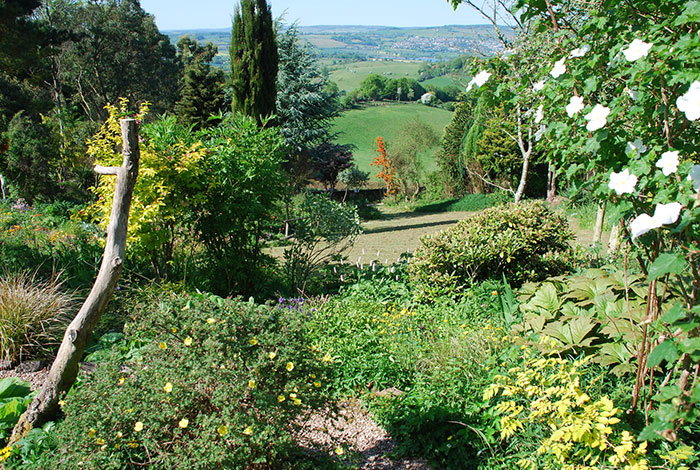
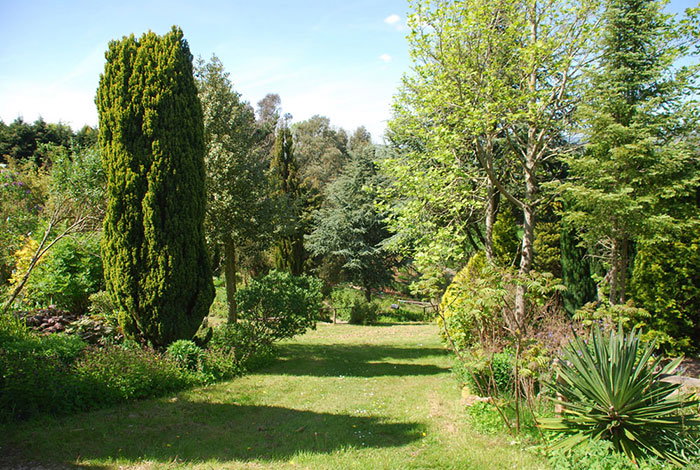
Designed, built and planted in 1986, the four-acre garden was the first of its kind: a living map of the world. Winding paths lead through the planted continents, past rare and exotic plants seldom seen outside their native lands, with green Devon hills framing distant views of the River Teign.
The Cottage Garden
A softer first glimpse before the paths branch off around the world.
Allow at least half an hour for a quick circuit, or longer if you want to linger through every planted continent.
The gardens
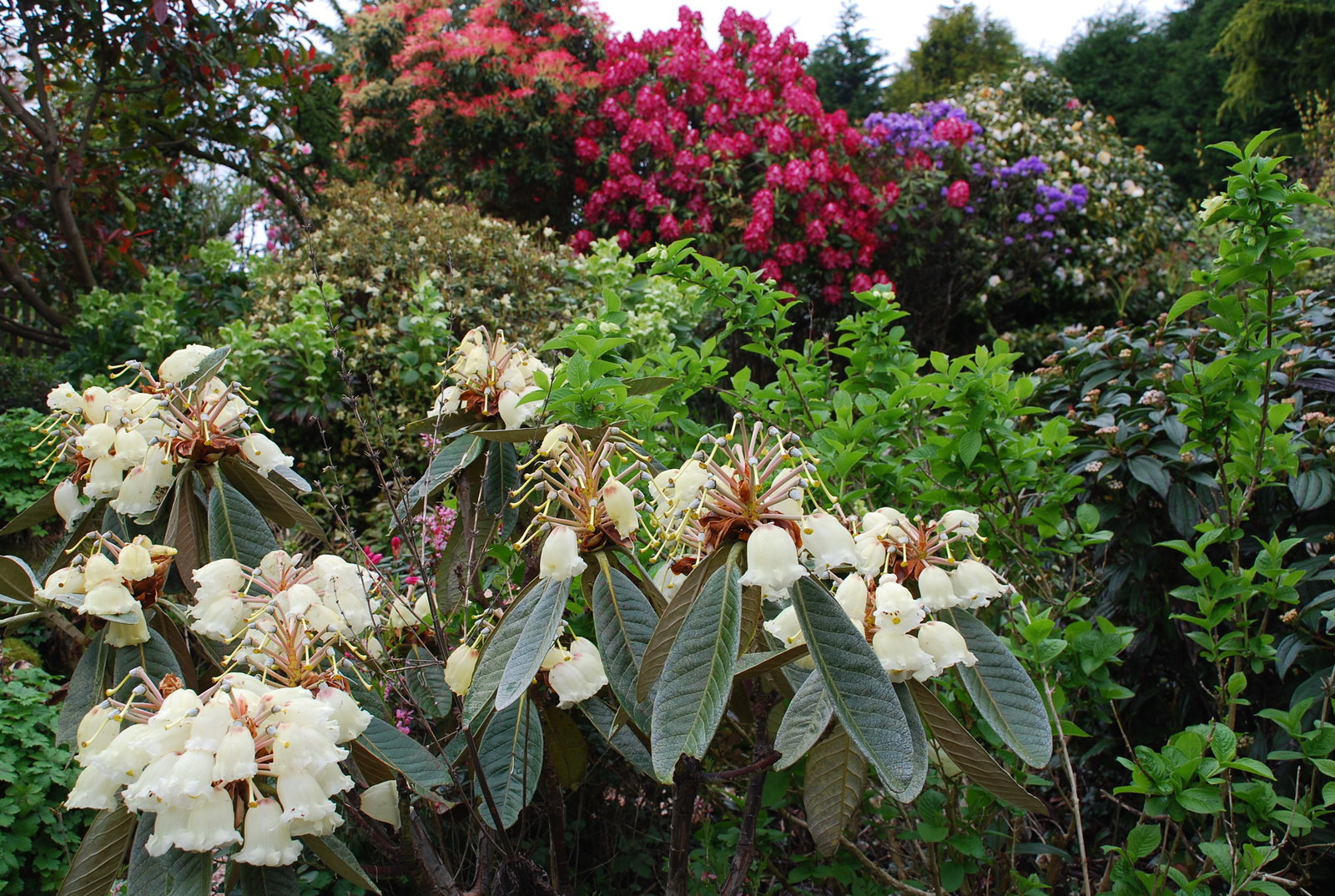
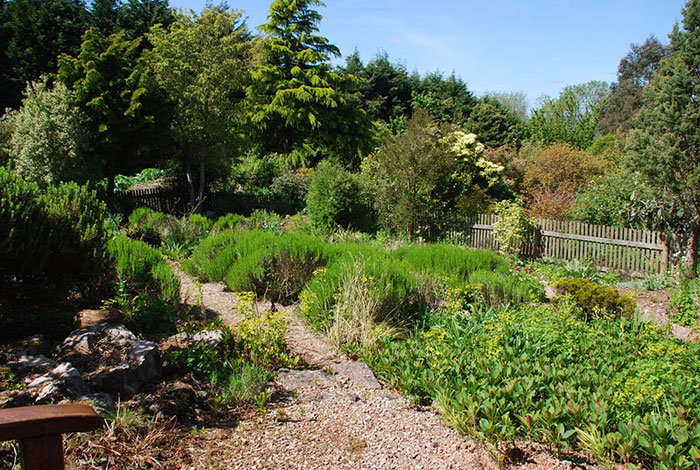
Plant World was the first garden laid out to represent the five continents, and each area still carries something of its source landscape. The route moves from cottage planting into Africa, America, New Zealand, Australia, Europe and Asia, with rarities chosen because they can live well on this Devon hilltop.
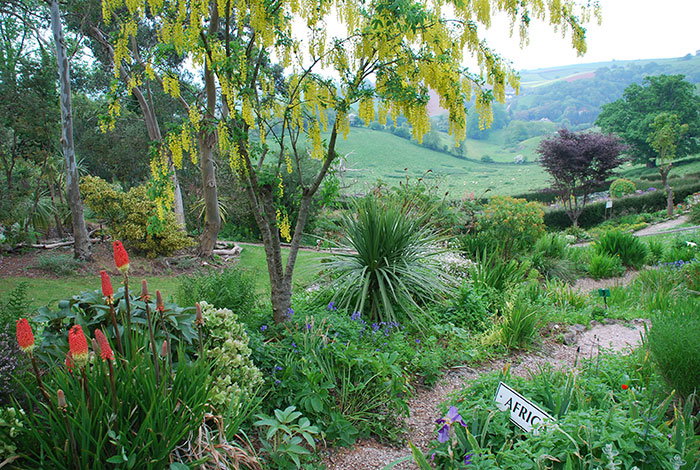
African hill plants cope surprisingly well here: dieramas, agapanthus, crocosmias and moraeas make bright, informal beds on the cooler north slope.
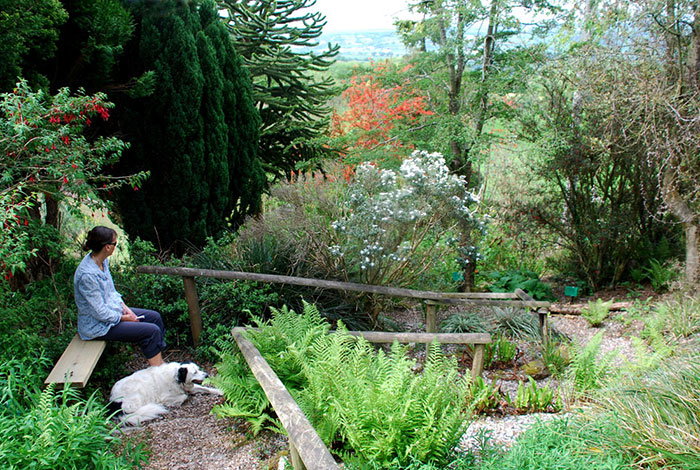
A wide mix of North and South American plants, from spring dog’s tooth violets and penstemons to Chilean alstroemerias, puyas and monkey puzzle trees.
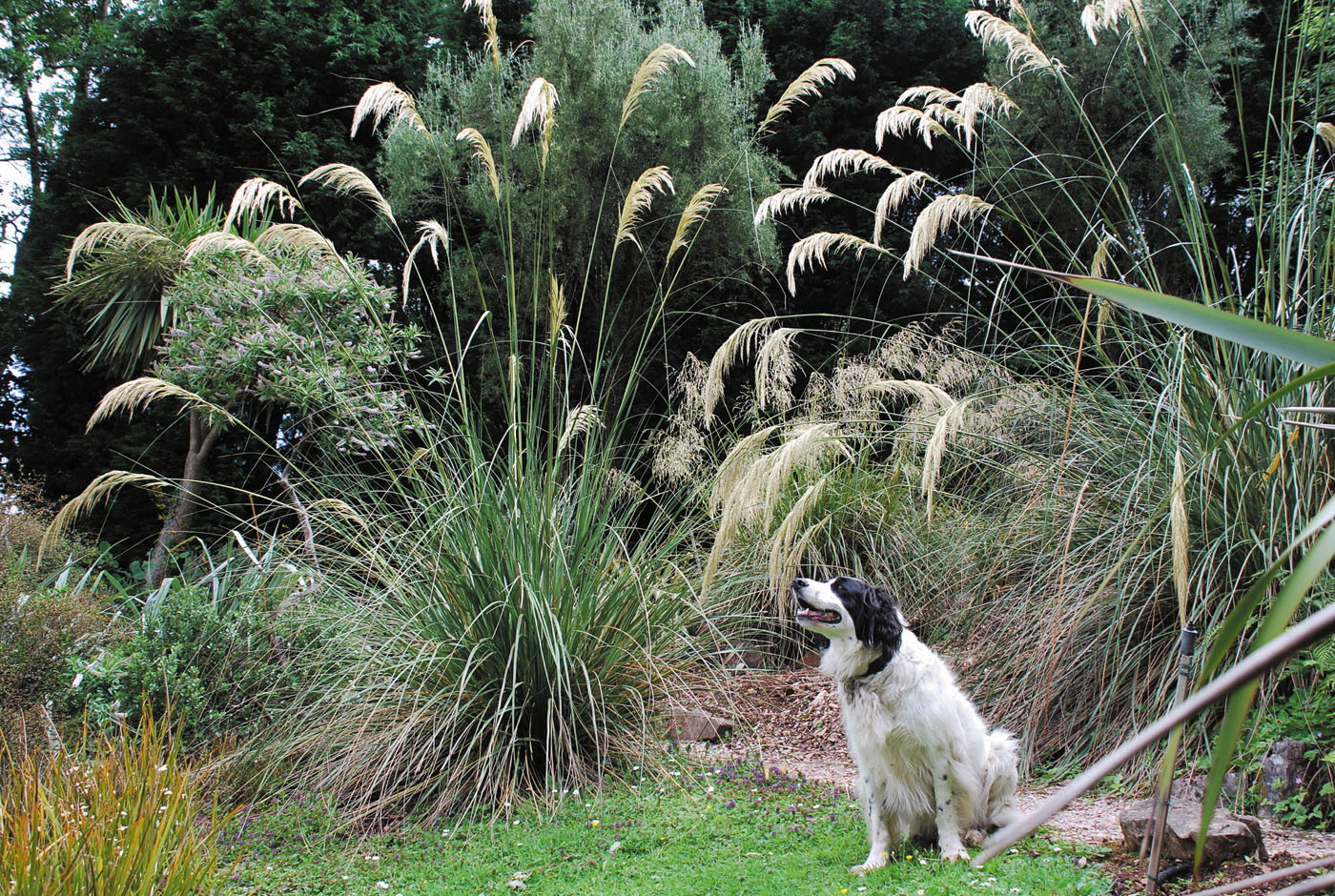
New Zealand visitors often say it feels just like home, with pittosporums, cabbage palms, giant forget-me-nots and a hardy tree fern.
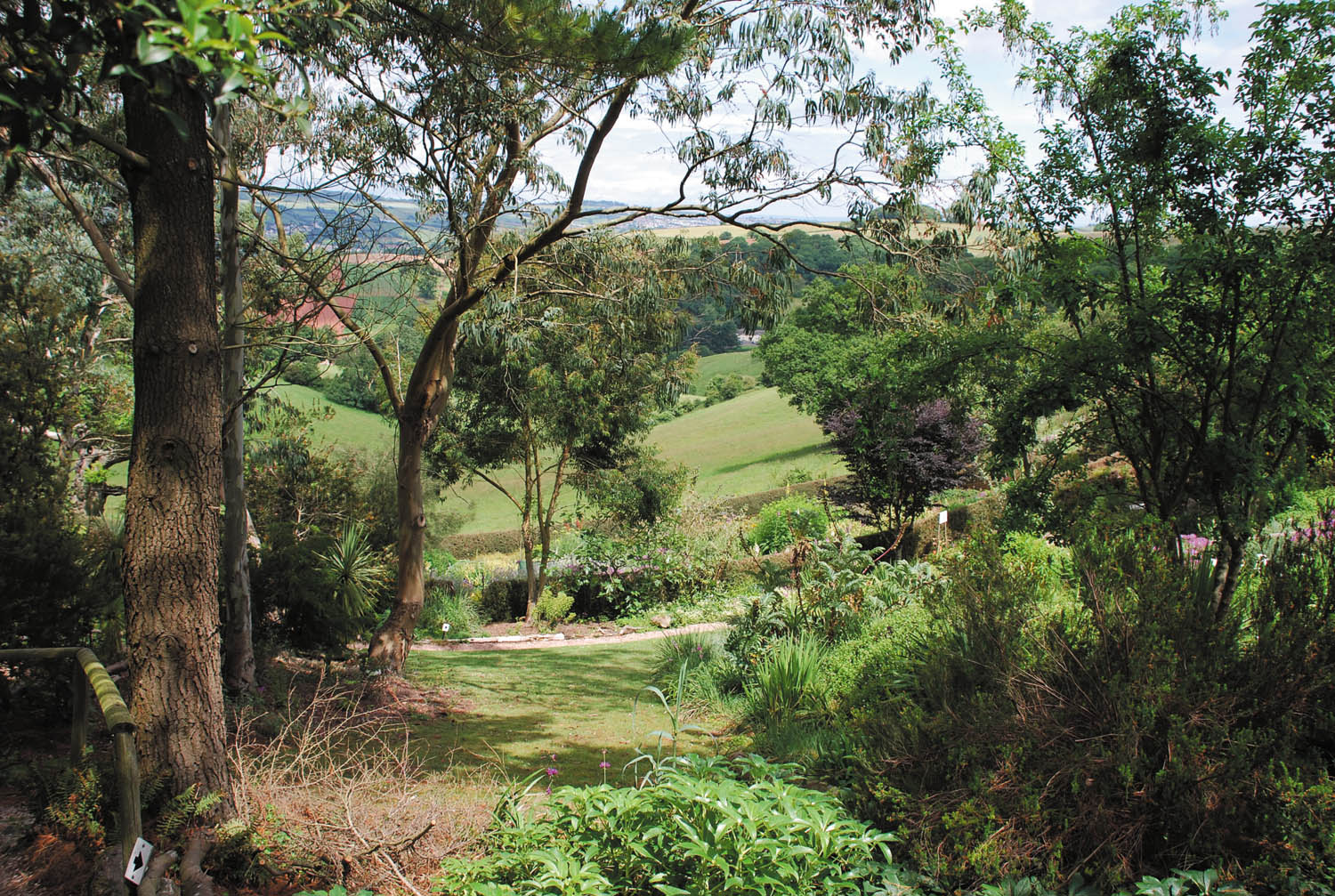
Eucalyptus planted as seedlings in 1986 now tower above alpine shrubs, banksias, hakias and grevilleas from the Australian mountains.
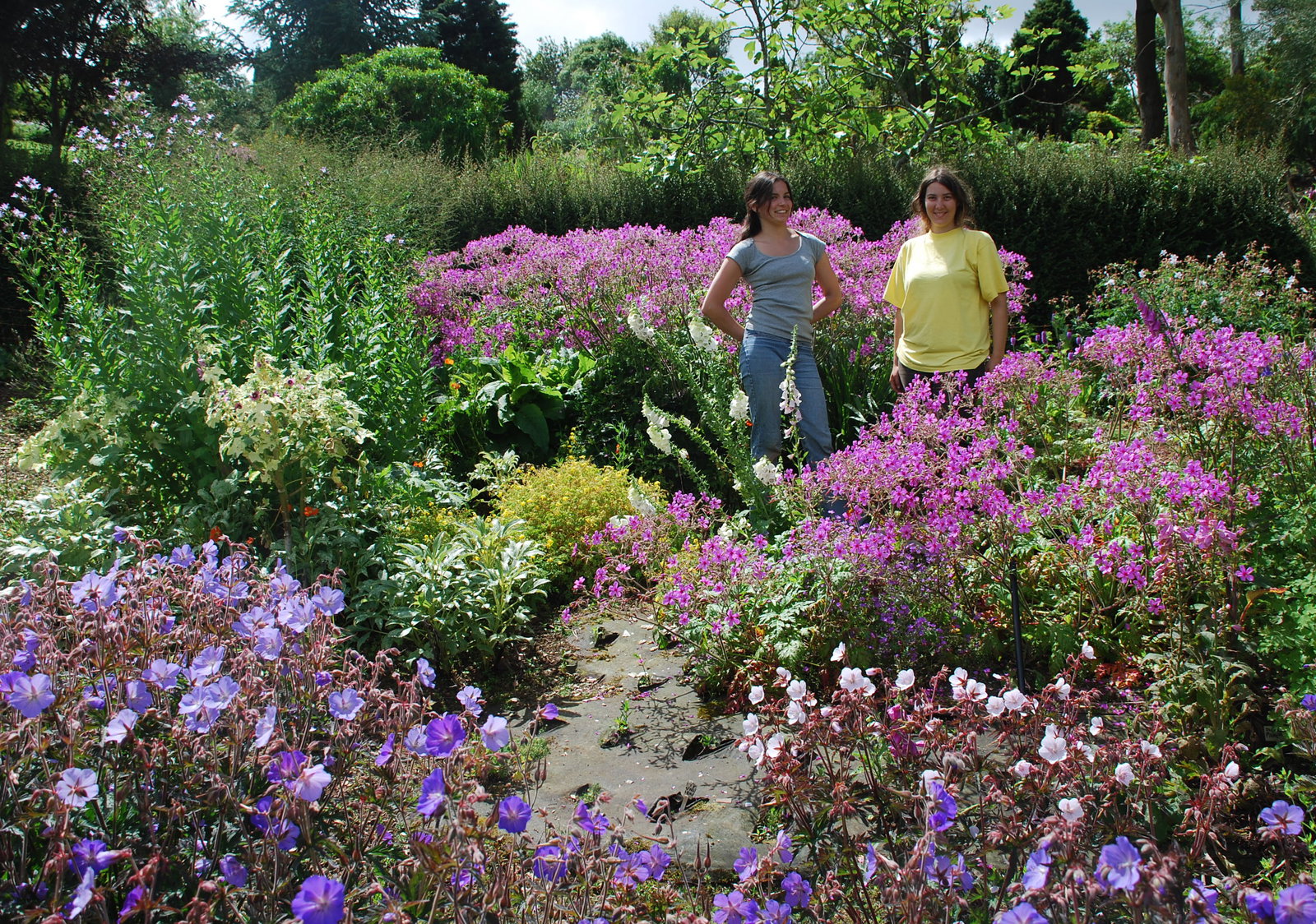
Tree heathers, spring bulbs, globe thistles and the giant yellow Gentiana lutea make Europe the first world garden beyond the cottage garden.
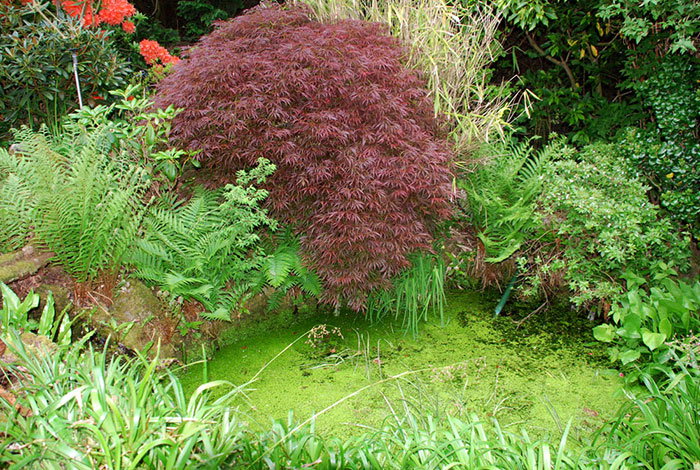
One of the garden’s gems, with Himalayan blue poppies, rarer mountain meconopsis, Asiatic primulas and ponds busy with frogs, toads and newts.
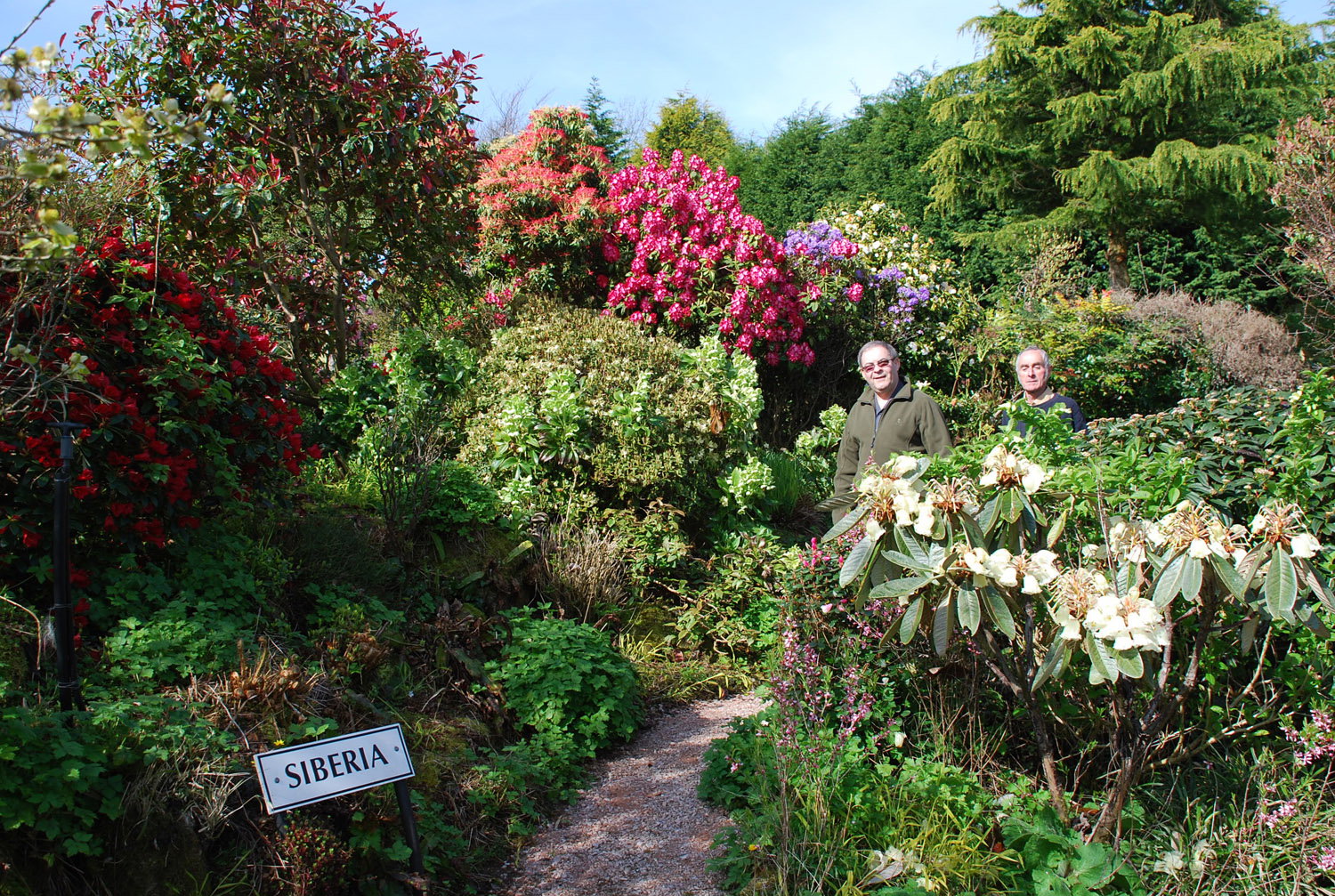
Cold-region planting from Russia and China includes plants raised from seed collected on Sakhalin, where winters can reach minus 40C.
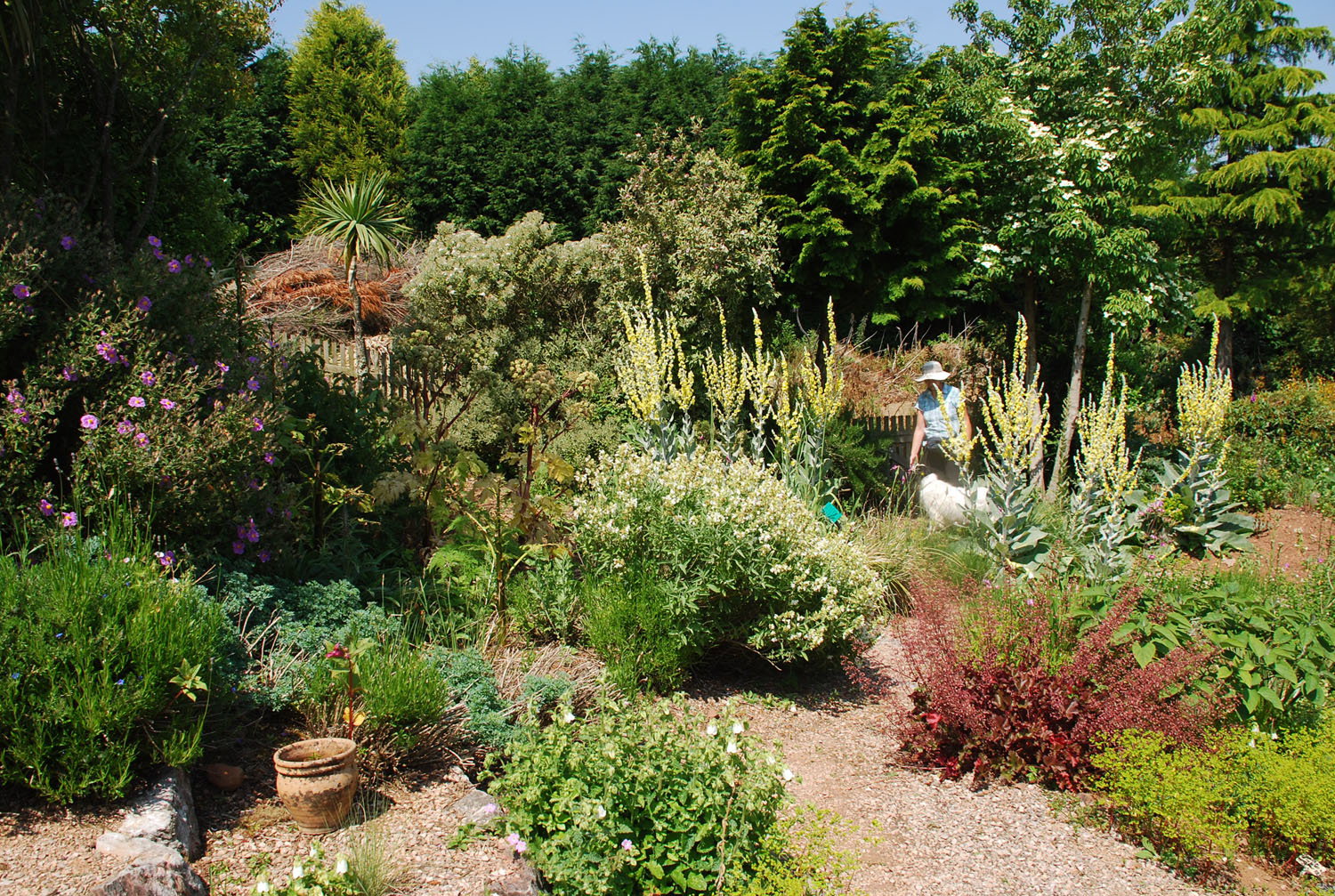
Snowdrops, Lenten roses, old-fashioned michaelmas daisies, giant thistles and lupins fill the more traditional cottage garden area.
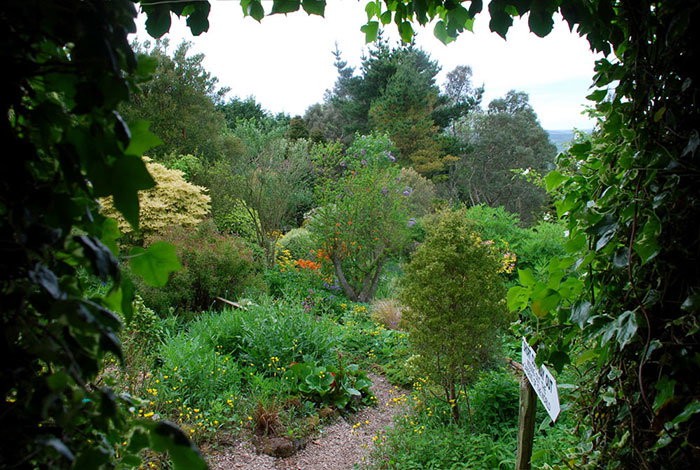
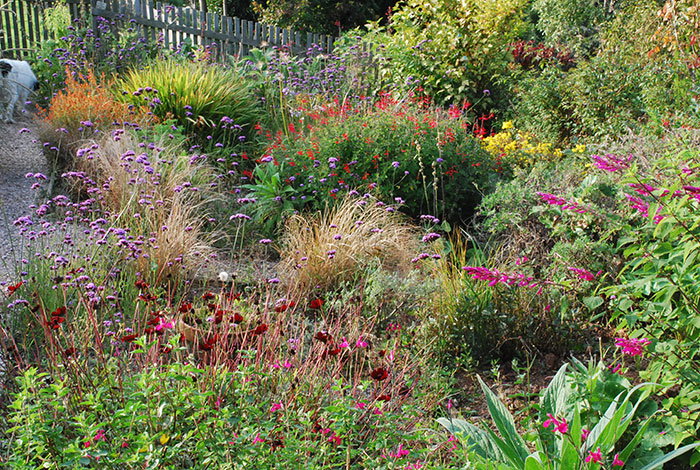
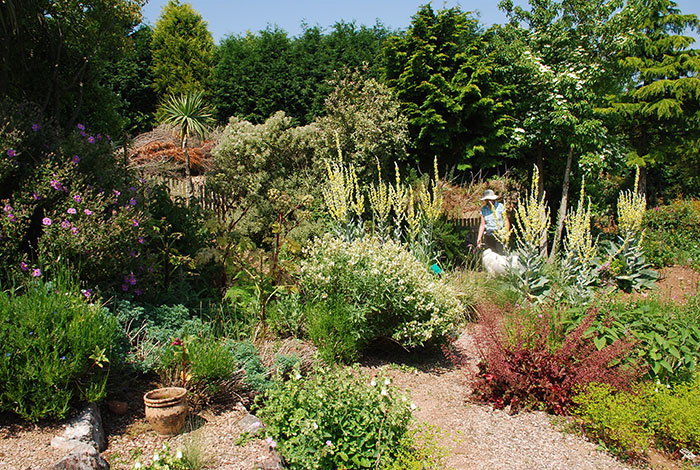
A warm, well-drained pocket made for sun-lovers: lavenders, verbascums and handsome cistus, also known as rock roses.
Right at the top of the hill, this small hot garden is now best known for its generous, colourful show of hollyhocks.
Rare plant nursery
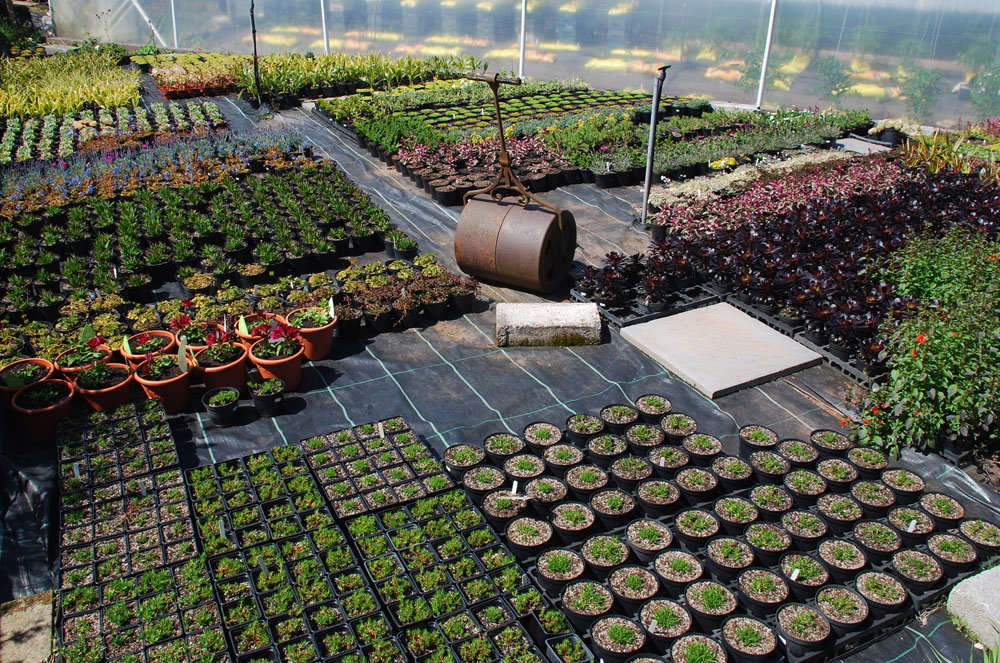
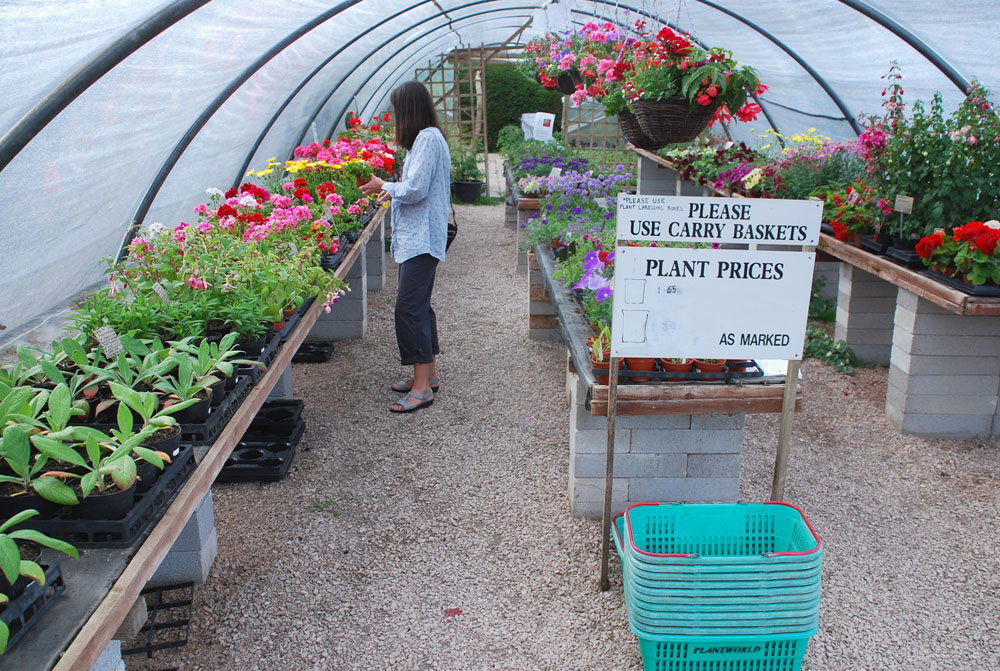
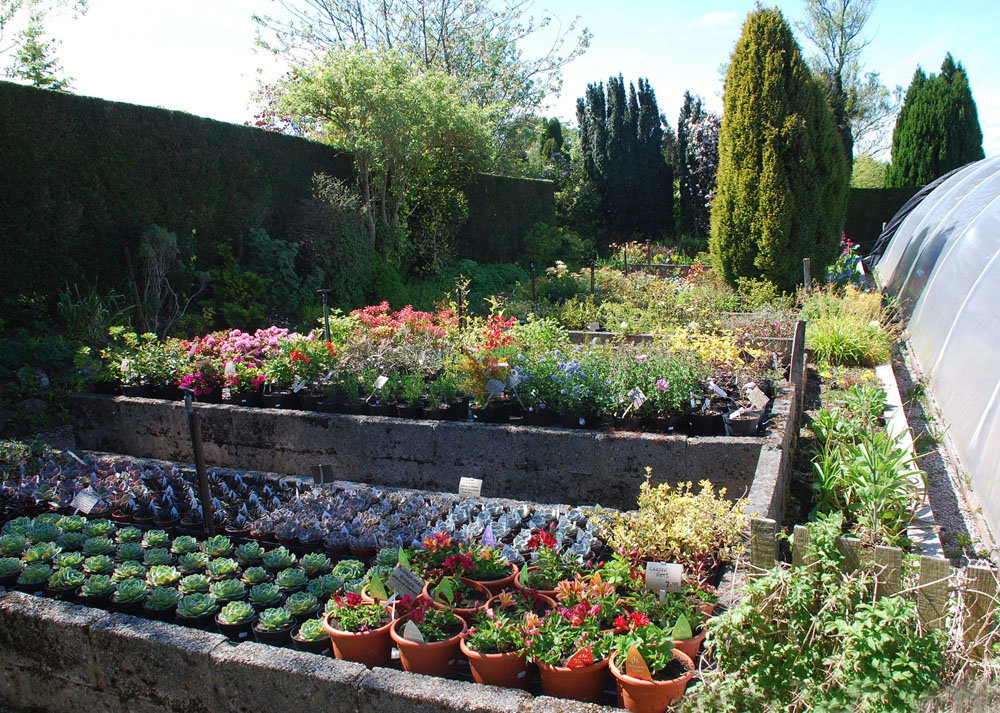
The nursery was created so visitors could take home plants and trees they had seen growing in the gardens. Many are raised from our own collected seed or by division, and the emphasis is still on rare, unusual and genuinely garden-worthy plants.
Scenic café
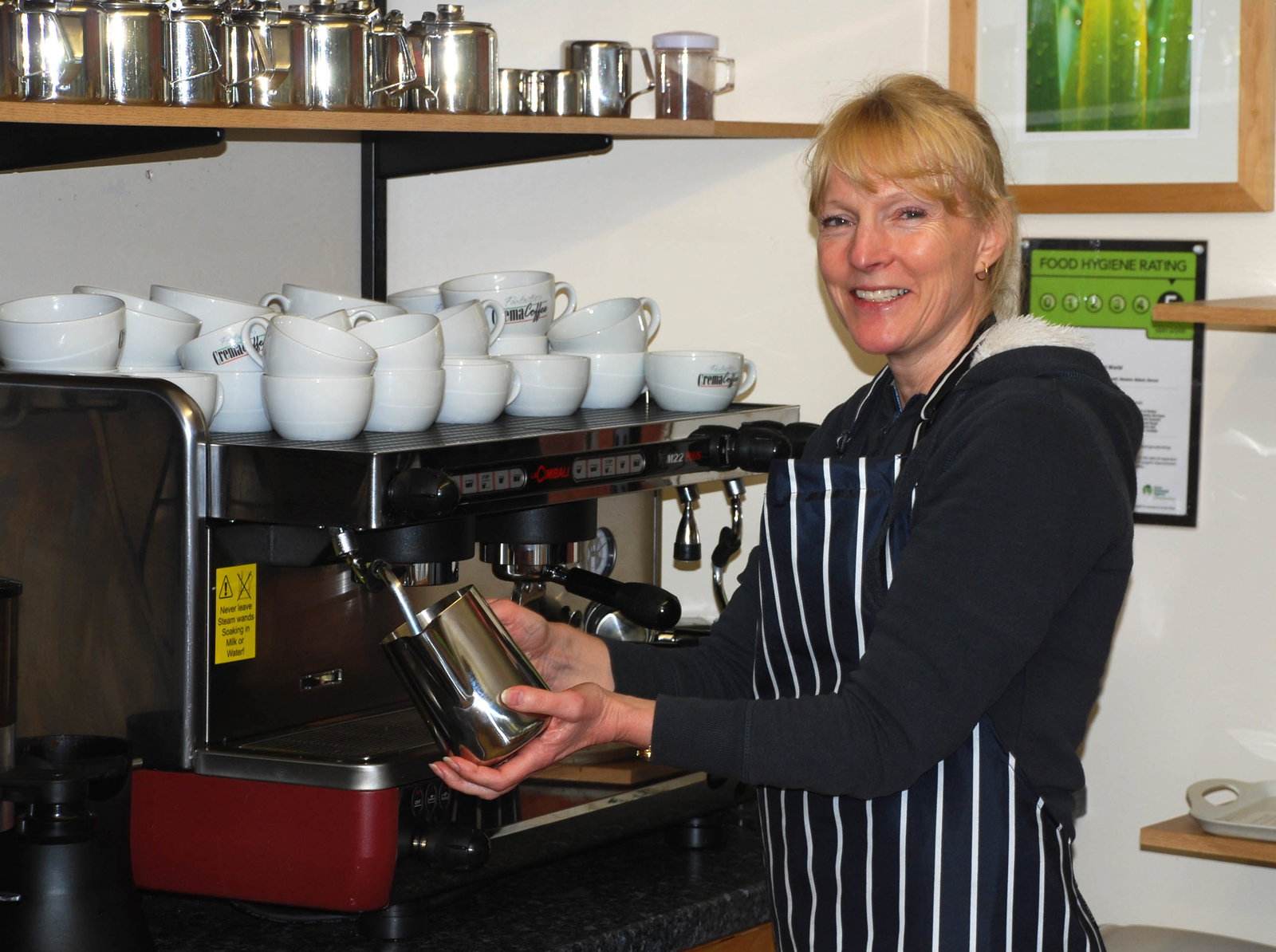
Café and shop
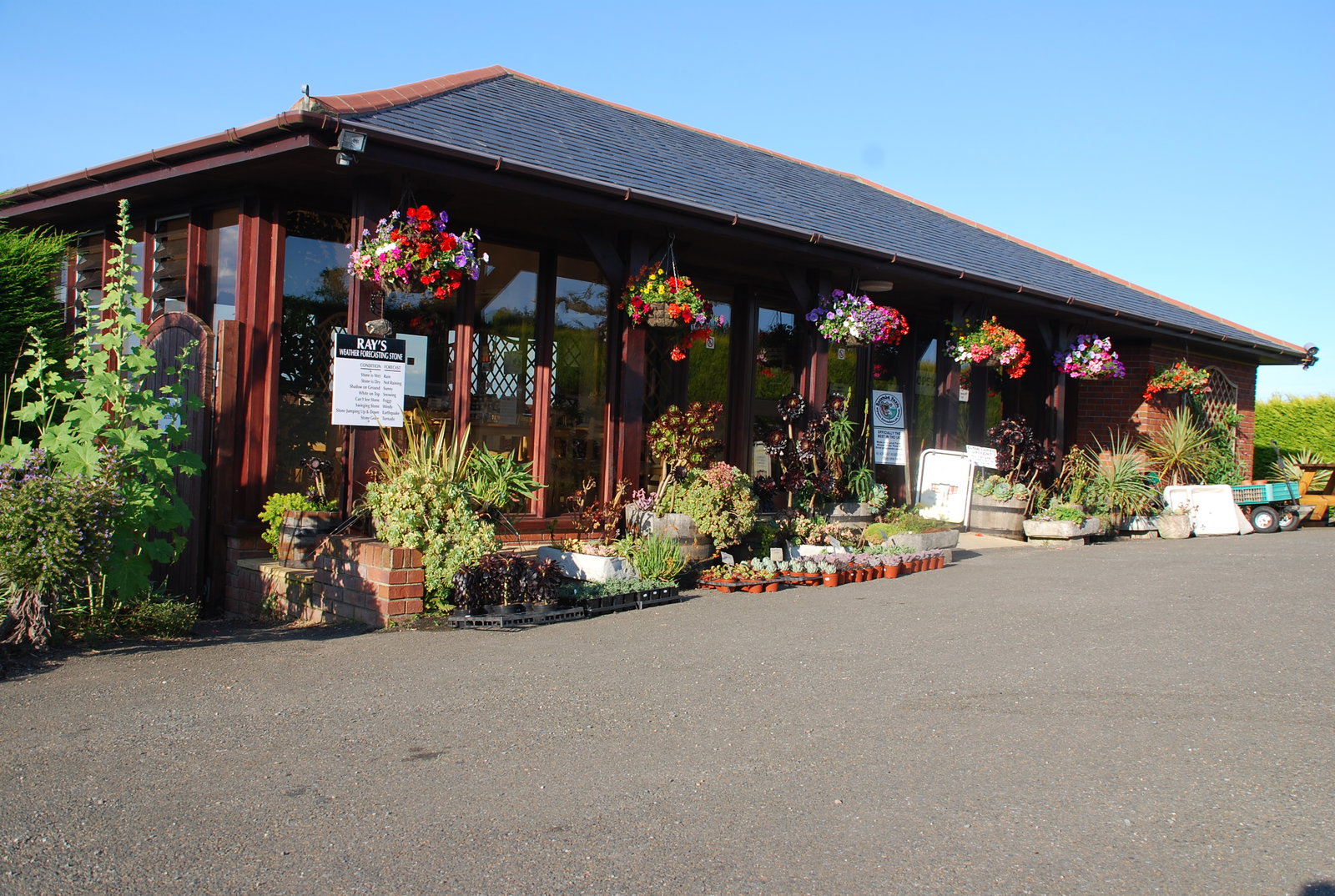
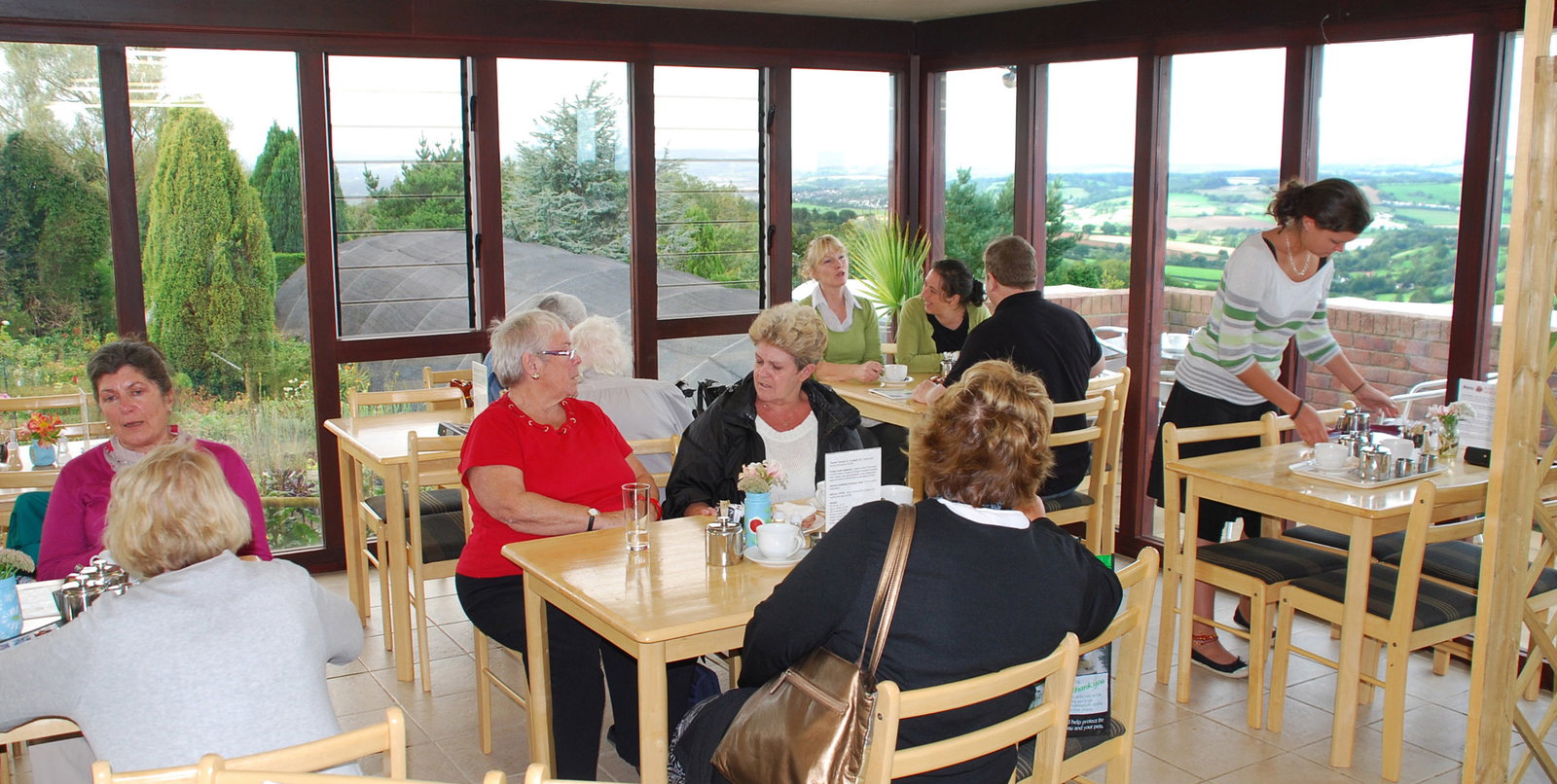
Our café surely has one of the best viewpoints in the county. Built in 2006, it replaced the old shed and polytunnel that served drinks and snacks for the first twenty years. Today there are around 40 indoor seats, a few more outside, and views across the Teign estuary towards Haytor.
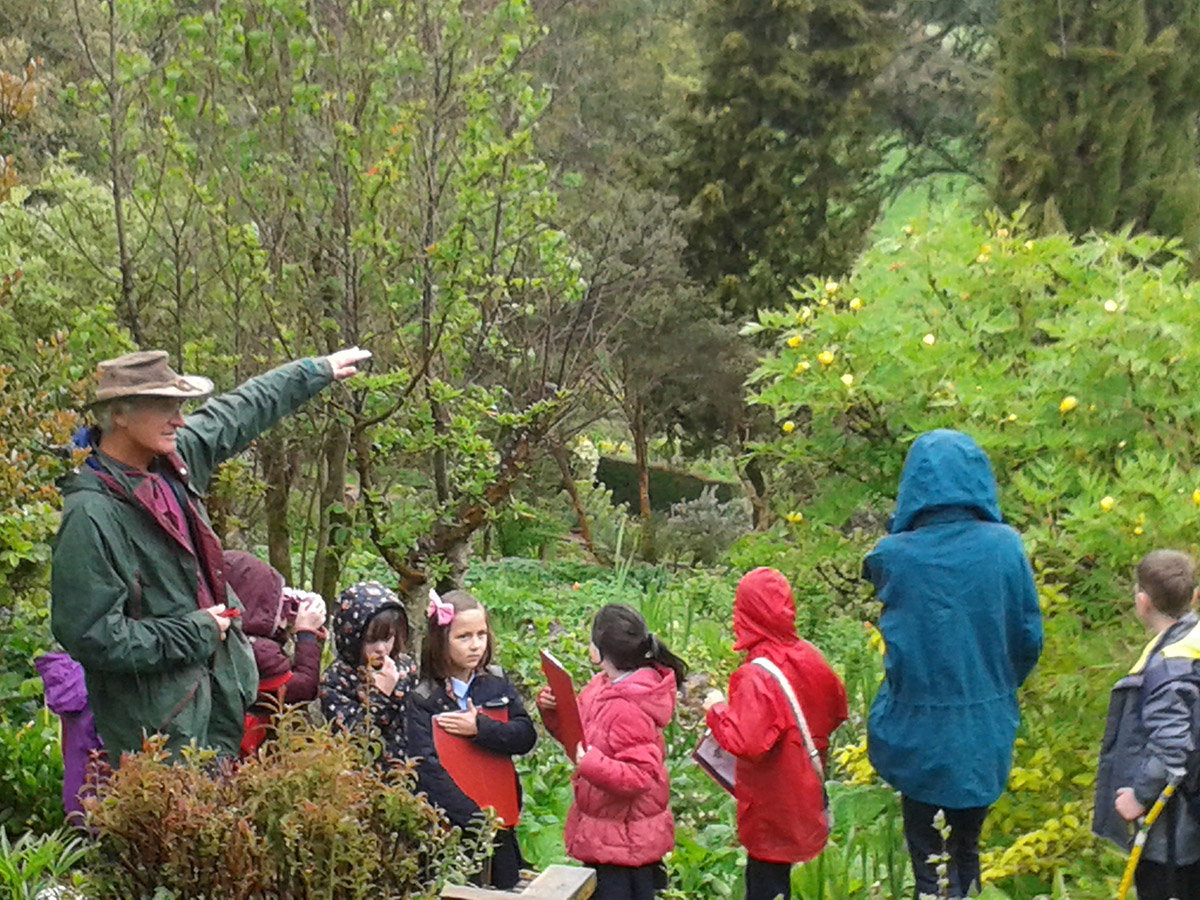
Garden clubs, families and coach parties.
Plan your visit
Garden clubs, horticultural societies, families and keen gardeners travel from far and near to spend time here. We suggest at least an hour and a half for the gardens and nursery, although very keen gardeners often stay much longer. For groups, please confirm in writing at least two weeks in advance where possible, especially if food arrangements are needed.
Coach drivers can ignore the coach restriction signs when accessing Plant World. They are intended to deter through traffic; the road is wide and safe for visitors coming to the garden centre.
Finding us
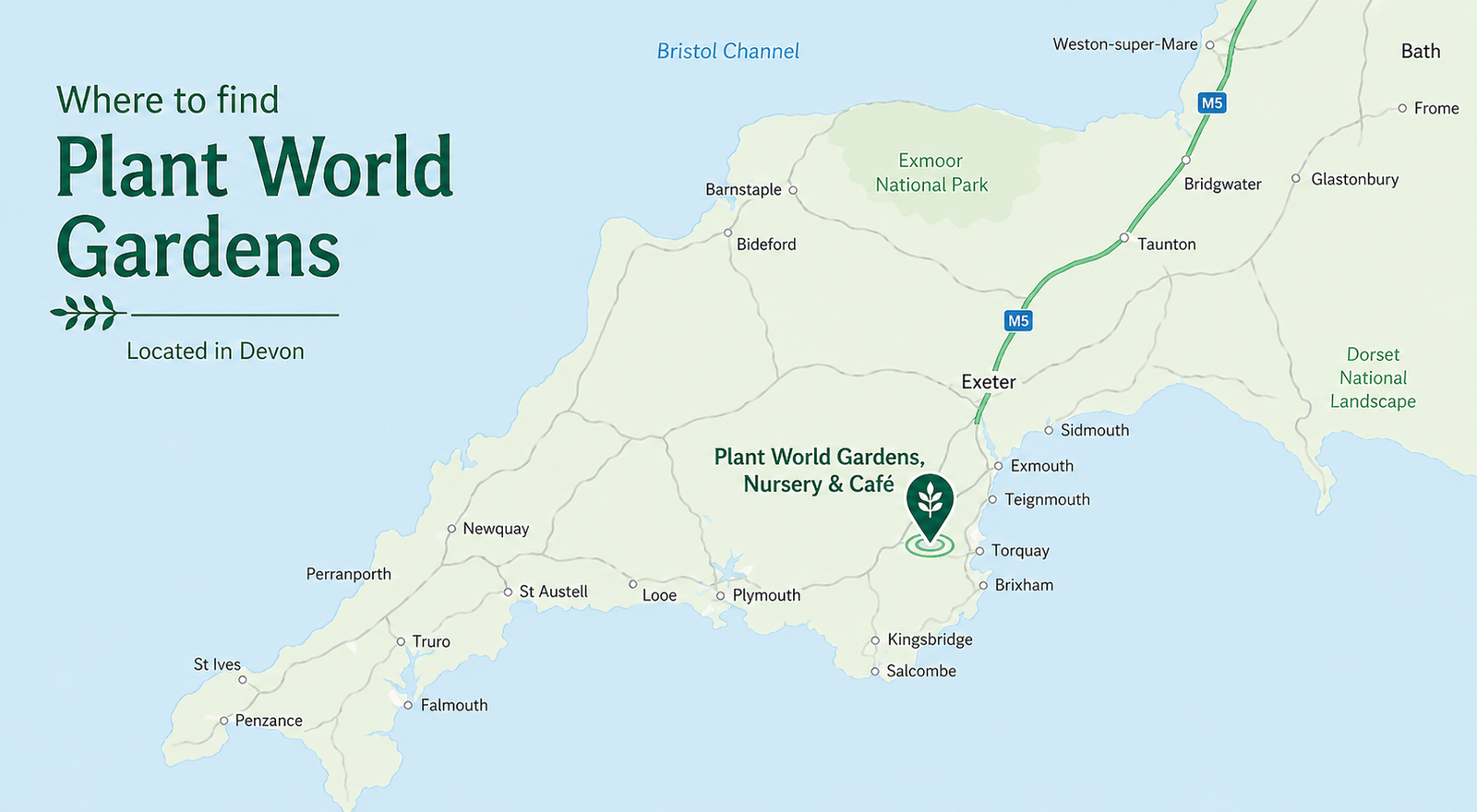
From the Penn Inn junction, follow the brown tourist signs to Milber and Combeinteignhead, then continue through mature woodland. Plant World is around one-and-a-half miles out in the rolling countryside, at the very top of the long hill on the left.